

High School
Grades 9 through 12
Introduction
Not Just an Academic Institution
Lincoln’s
Secondary School prides itself on ensuring that all students receive
a rigorous, intellectually stimulating and multifaceted education
that prepares young people for the increasing demands of the 21st
century. Our ultimate goal is to foster an enduring curiosity
in our students that will enable them to broaden their intellectual
limits and acquire the skills necessary to continue their education
in the university setting and beyond.
Lincoln’s teachers do not simply move through a prescribed
set of curricular objectives. Instead, students engage, question
and analyze as they work their way through problems, projects
and ideas. Teachers help students to discover knowledge, to interact
with their education, and to work together in search of novel
solutions to complex problems. As a result of this process, students
are better able to apply the skills and lessons learned inside
the classroom when faced with unknown challenges after they leave
Lincoln School. Whether they’re immersed in the theories
of Newton, captivated by the language of Shakespeare, or inspired
by the masterworks of Michelangelo, students participate in the
learning process - as they must participate in the world around
them.
The secondary school is not just an academic institution and
not merely a place that nurtures the love of learning, but is
the defining community in the lives of our students, parents and
teachers. During the instructional day, an intellectual atmosphere
pervades the campus. But, after-school and on weekends, Lincoln
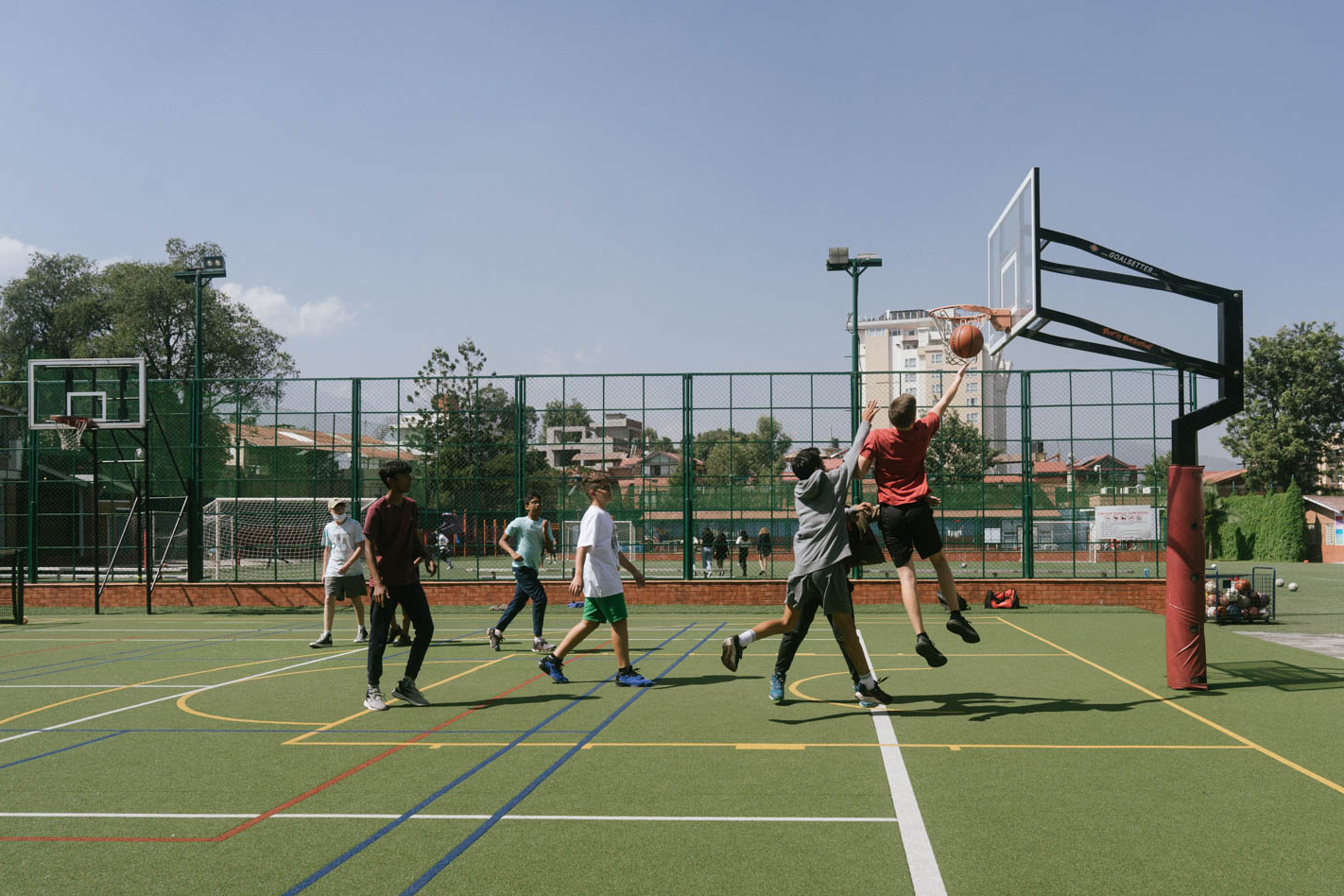
resembles a university or a summer camp - students play sports,
participate in clubs, edit the school newspaper, rehearse for
dances or dramatic performances, or simply hang out with friends
- perhaps listening to music and enjoying the modern facilities.
Since the Lincoln campus is the setting in which young people
spend the majority of their time, we try to accommodate both the
academic and recreational needs of our families as much as possible.
College Preparation
Lincoln’s Secondary School aims to provide a demanding and
yet supportive educational experience that culminates in the granting
of an American High School Diploma. Lincoln enrolls approximately
90 students in Grades 9-12 and provides a complete college preparatory
program with a wide selection of electives and extra-curricular
activities. The school day runs from 8:00 to 3:10 and is organized
on a block
schedule.
Our primary objective is to equip students with the skills, knowledge,
and values necessary to succeed in institutions of higher education
and to constructively participate in the global community. To
achieve this goal, teachers draw from a variety of instructional
strategies and resources in an effort to optimize the match between
students’ varied learning styles and teachers’ best
practices. We offer an array of academic courses, including several
Advanced Placement courses that allow students to earn
credit toward American universities, as well as electives in fine
arts, creative writing and athletics. In addition, students have
opportunities to compete with other international schools in music,
art, math, and a variety of sporting events (SAISA). We also offer
support services for students with special needs and those whose
native language is not English, emphasizing an inclusion approach
that allows students to receive special assistance while spending
as much time as possible in traditional instructional settings.
Our full-time guidance counselor works with students and parents
on academic concerns, personal issues, scheduling, school transfers,
and the university admissions process. The counselor provides
an in-depth college counseling program with information on standardized
testing, career guidance, college admissions, and financial aid
opportunities. Lincoln School certainly offers a wide range of
curricular choices, support services, and a very balanced academic
and extracurricular program.
Go to top
A Dynamic Educational Experience
A
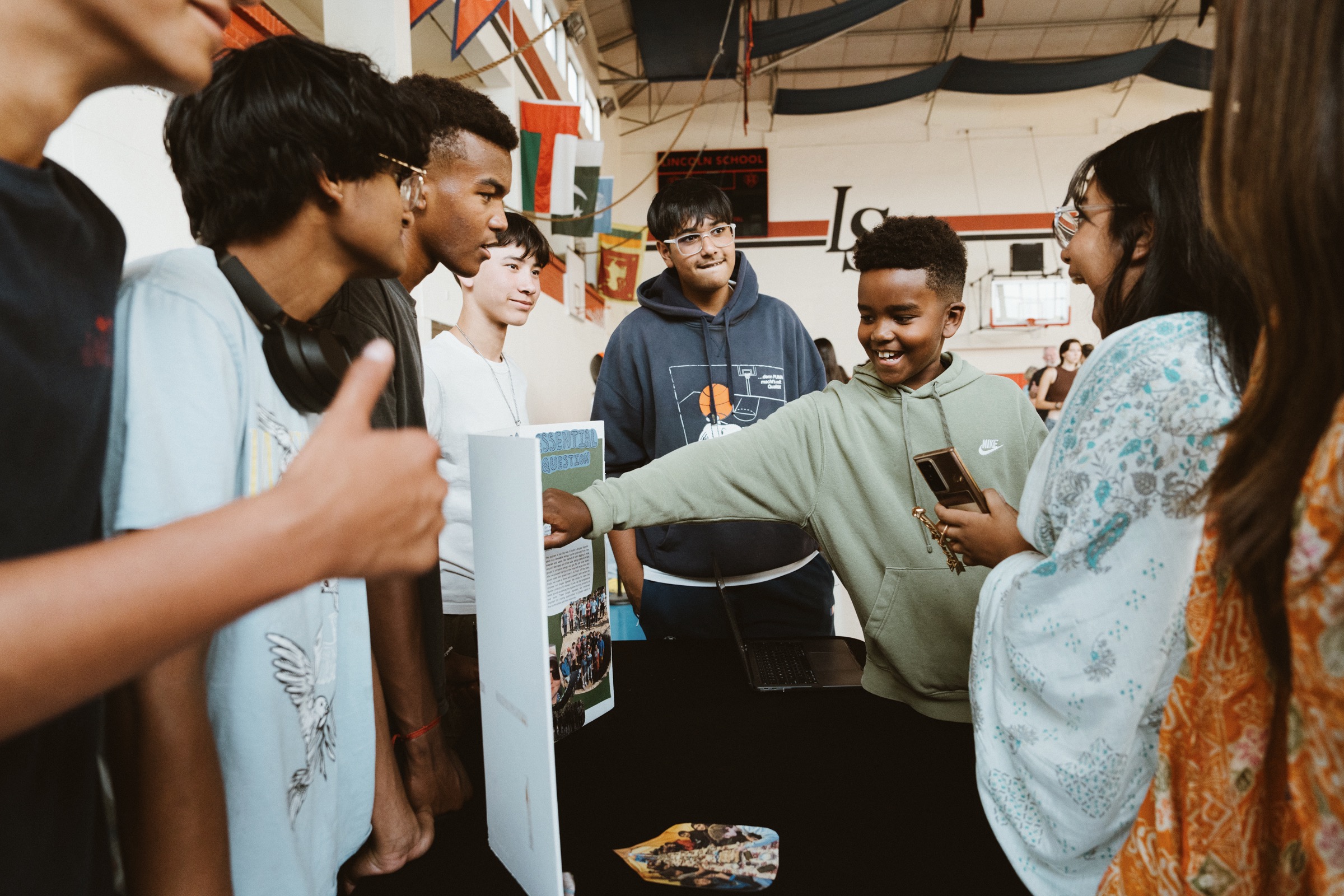
quick glance inside classrooms reveals that students are participating
in a truly dynamic educational experience. Students spend considerable
time discussing questions in groups, collaborating with peers
on projects, debating controversial issues, creating power-point
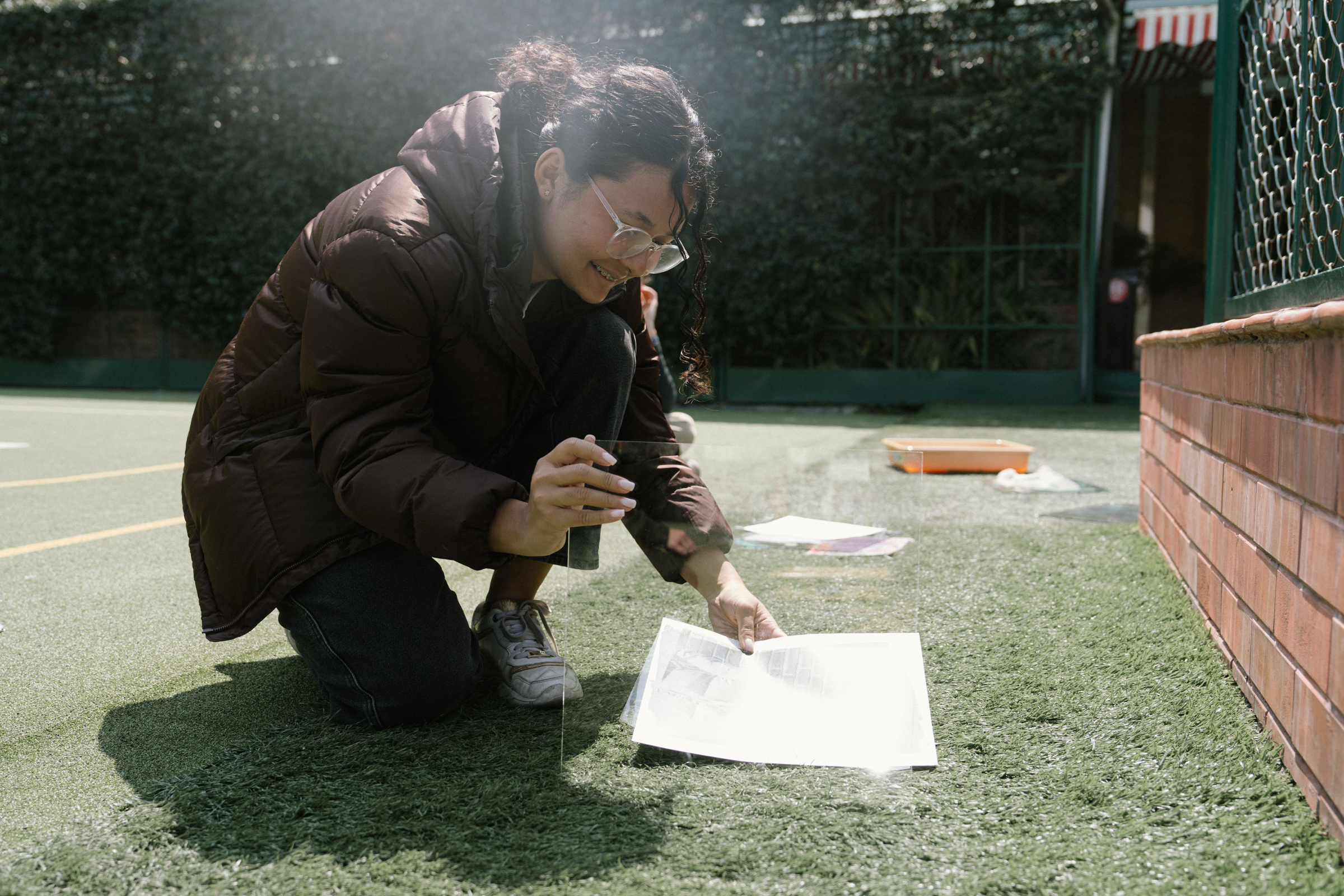
presentations and using drama, music, and technology to bring
learning to life - engaging in applied learning experiences, many
of which require them to interact with the world around them.
This hands-on approach not only enriches the quality of learning
but also makes learning fun, encouraging students to continue
their own education throughout their lives. Above all, we strive
to instill a love of life-long learning in all of our young adults.
 |
Developing Global Citizens
As
the global community becomes increasingly interdependent, it is
essential that students understand their responsibilities for
the promotion of civic awareness and the improvement of the common
good. Therefore, secondary students have ample opportunities to
shape important school-wide decisions, organize after-school programs,
coordinate community service activities, tutor peers and work
with elementary children. The Student Council helps develop policies
regarding the dress code and discipline-related matters. It establishes
grade-level goals for fund-raisers and community service projects.
The Council helps organize assemblies, rallies, dances, after-school
activities and clubs, and it provides an important venue for students
to raise concerns and questions. Members of the National Honor
Society play a central role in advancing school-wide objectives
as well. Student input is tremendously valued, as we hope to teach
young people how to navigate the democratic process and live peacefully
within a diverse community. Because we are a small school, students
have the opportunity to participate in many school activities,
and many students discover new talents and confidence as "big
fish in a small pond."
Go to top
Other Activities
Explore
Nepal week and United Nations Day further reinforce these ideals.
To understand more about the culture of our host country, students
spend a week with teachers and peers discovering the wonders of
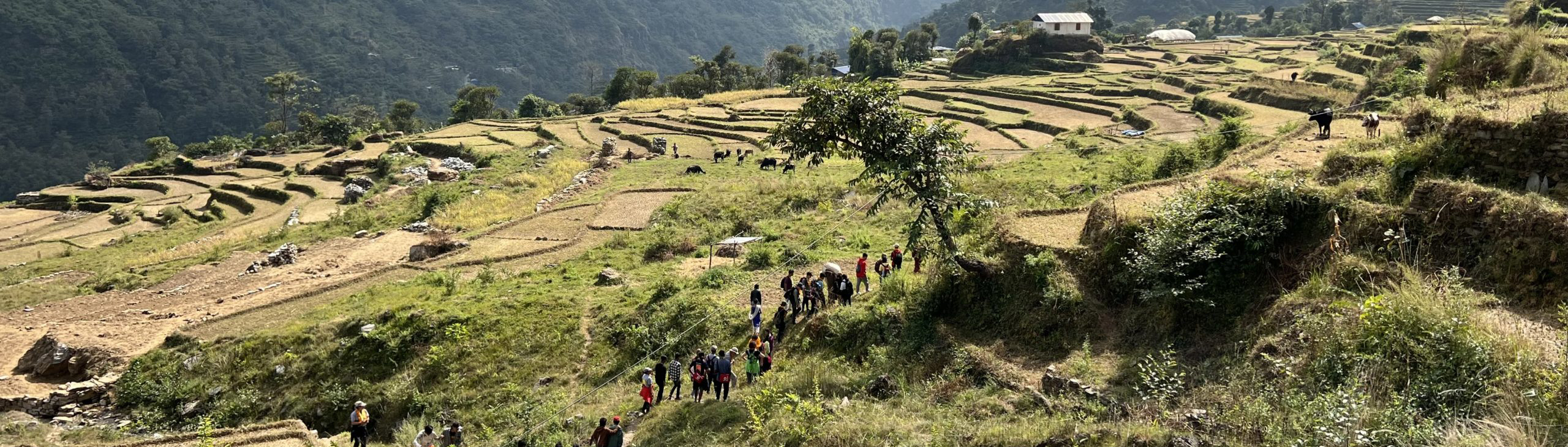
the Himalayan Kingdom. Students trek around the verdant Kathmandu
Valley, build homes and biogas plants for the less fortunate,
or raft down a stunning mountain-fed river. Our young people not
only learn to appreciate the lifestyles of the Nepalese but, through
various team-building activities, explore their own dreams, feelings
and fears. On United Nations Day, the entire Lincoln community
comes together to celebrate our differences and similarities.
Parents and students proudly wear their national dress and PREPARE
native cuisines for a magnificent buffet lunch. Students choose
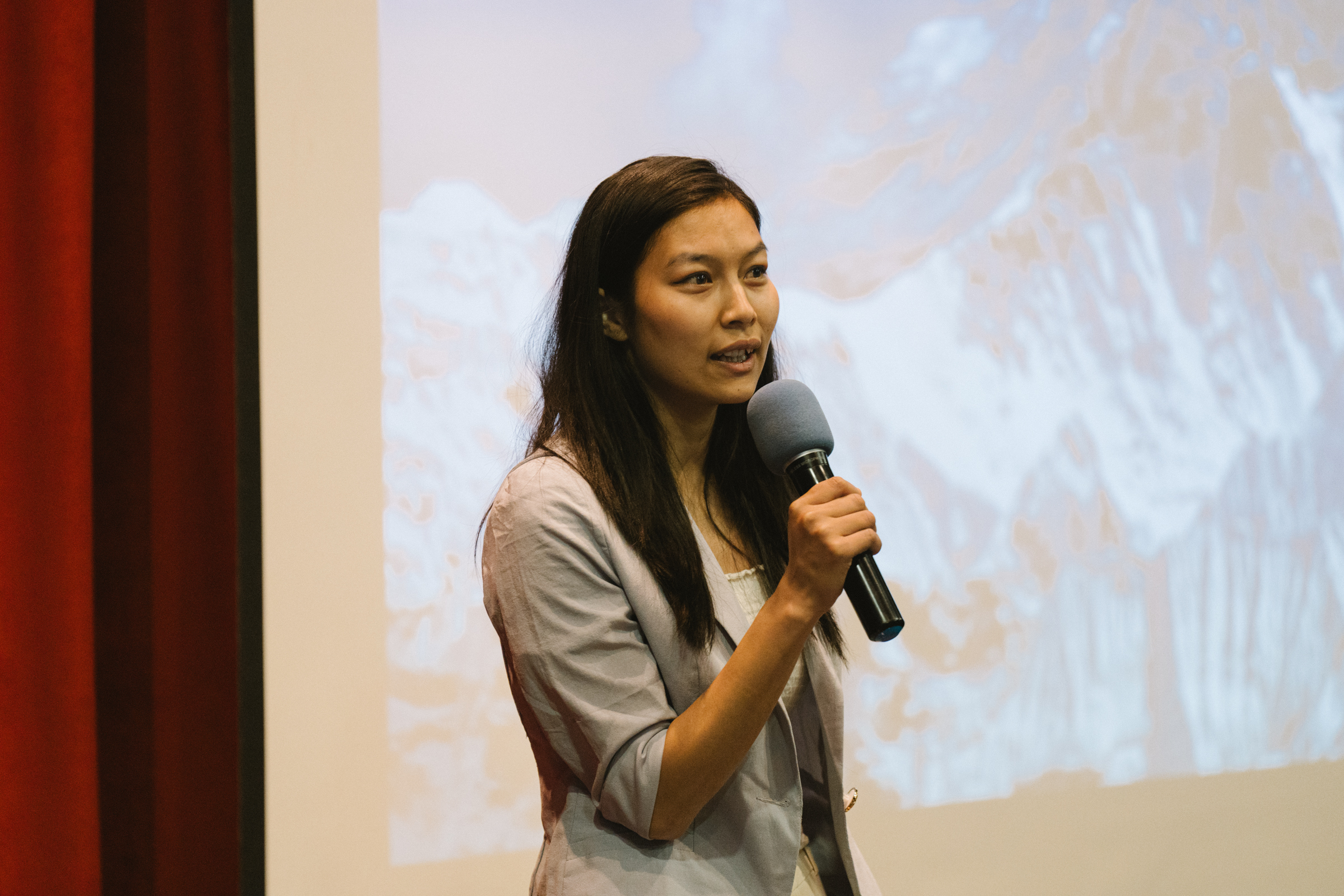
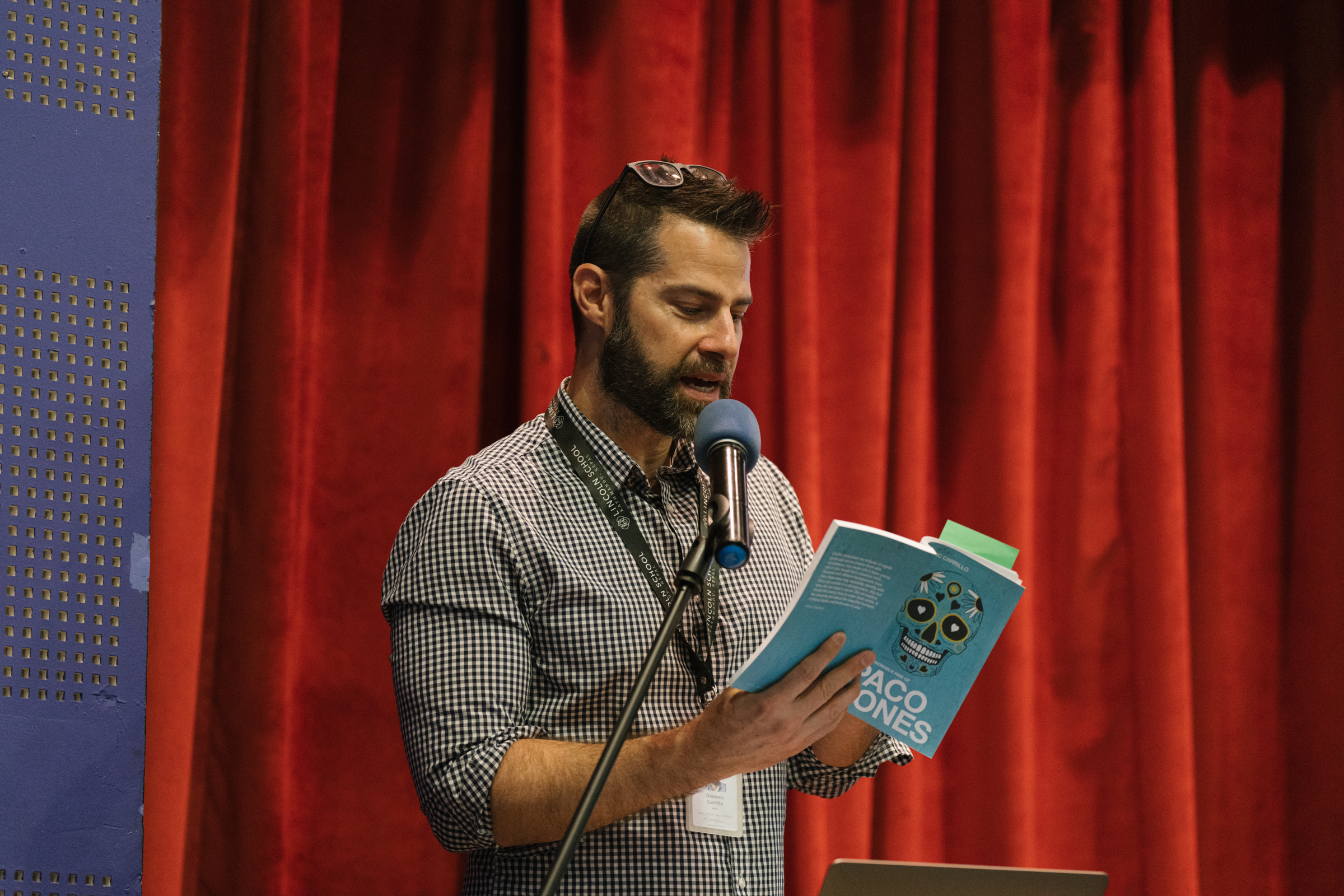
from an assortment of workshops facilitated by guest speakers
who are experts in their fields. Forty flags posted around campus
honor the countries of all of our families. This annual tradition
is indeed the cornerstone of what Lincoln has come to represent.
If you have additional questions, please contact Mr.
Allan Bredy, the Director, at your convenience.
Curriculum
Secondary students typically enroll in seven classes each
quarter. Although we offer seven periods, Lincoln’s secondary
school has adopted a block schedule in an effort to offer maximum
flexibility and quality in instruction. The link which follows
displays a tenth-grade schedule…
Please click
here to go to High School Curriculum.
Go to top
National Honor Society
Lincoln High School hosts a chapter of the National Honor
Society, affiliated with the National Association of Secondary
School Principals (NASSP) in the United States. A faculty committee
elects members to this service organization annually on the basis
of character, scholarship, leadership and service. With this prestigious
honor comes a significant amount of responsibility. NHS students
are expected to serve as tutors for peers in need of extra assistance,
help coordinate UN Day activities, parent-orientation, fundraisers,
and other K-12 programs and serve as role models for the entire
student body.
Please
click here to go to The
Arts
page
Please
click here
to
go to the Foreign Languages page
Please
click here
to
go the Students with Special Needs
page
Please click here
to go the English
as a Second Language page
 |
Student
Council
The Student Council is made up of two students from each
grade level in the secondary school, along with other school-wide
officeholders, including the student body president, vice president,
secretary and treasurer. Every year, the students elect representatives
to coordinate activities and programs and assume an overall leadership
role in the governance of the school. Council members learn about
the democratic process at weekly meetings, and spend one or two
weekends each year on a retreat for leadership training. The Student
Council also manages the Tuc-Shop, which offers a variety of school
supplies and food for students during recess and lunch hours.
It organizes dances, assemblies, and class meetings. As the liaison
between the student body and administration, the Council serves
as the main forum through which students can express concerns
and suggestions.
Go to top
SAISA Sports and Fine Arts Tournaments
What is undoubtedly one of the most exciting features of
Lincoln’s secondary program is broadly referred to as SAISA.
Each year Lincoln students participate in international tournaments
in fine arts, math and a variety of sporting events, including
basketball, football (soccer), volleyball, swimming, track and
field, and tennis. Please click
here for more information.
Testing
ERB ( Educational Records Bureau) WRITING
TEST
This writing assessment program is administered in ninth or tenth
grade. Lincoln finds it valuable because its rubrics correspond
to our curriculum and our use of the Six Plus One Writing Traits.
Preliminary Scholastic Aptitude Test (PSAT)
The PSAT is a preliminary version of the SAT that measures verbal
and mathematical reasoning abilities. It is offered once a year
during the month of October. Lincoln School encourages all 10th
grade students and requires all 11th grade students to take this
test. Exceptions are made for ESL students or students with learning
disabilities. The students register for the test with the Guidance
Counselor during the month of September. More information can
be gained from www.collegeboard.com
Go to top
Graduation Requirements
In order to receive a Lincoln High School diploma, students
must earn a minimum of 25 total credits. In addition, at the minimum
a student must earn the following credits:
English: 4 credits
Social Studies: 3 credits
Mathematics: 3 credits
Science: 3 credits
Foreign Languages: 2 credits* (Two consecutive years of the same
language)
P.E: 3.00 credits**
Computer Studies: 1 credit
Fine Arts: 1 credit
Life Skills: 1 credit
Explore Nepal: .25 each year enrolled
** P.E. credit will be awarded to high school students who participate
in any of the SAISA sponsored sport programs at Lincoln. Students
may accrue up to 2.00 credits through participation in extracurricular
sports (SAISA). A minimum of 1.00 credits must be earned through
participation in regular PE classes. In order to earn PE credit
for extracurricular sports (SAISA), the student must meet the
standards set by the coach.
P.E. credit can be waived upon review of the principal. Consideration
is given to students who have a medical condition or a scheduling
conflict that prevents the credit from being met. After school
programs such as aerobics, swimming, gymnastics, etc. can be considered
for participation and a waiver, but not for credit.
Go to top |